What Did the Bingo Hall Do to Keep Play Moderate Without Rules?
Bingo halls remain iconic fixtures in the UK’s gambling landscape, often conjuring nostalgic images of community, friendly banter, and https://casinocrowd.com/what-did-the-bingo-hall-do-to-keep-play-moderate-without-rules/ cautious play among older women. Unlike the frenetic energy of casinos or the flashy allure of online slots, bingo’s appeal lies in its moderation and social fabric. But how did bingo halls manage to keep play moderate, especially before the emergence of formal rules and regulatory bodies? This blog delves into the evolution of bingo halls, the cultural mechanisms they employed to encourage responsible gambling, and how they fit into the broader gambling ecosystem shaped by legislation like the Betting and Gaming Act 1960.
1. Breaking the Casino Stereotype: The Reality of Everyday Gambling
The word “casino” often triggers images of high rollers, flashing slot machines, and intense betting stakes. Popular culture depicts gambling as fast-paced, high-risk, and potentially addictive—a stereotype fueled by Hollywood and sensational media coverage.
Yet, the everyday reality of gambling for many, especially in the mid-20th century Britain, was quite different. The typical bingo hall was not a neon-lit den of risk but rather a relaxed, social venue where older women gathered to play a game that was inexpensive, paced, and deeply communal.
- Moderate stakes: Bingo stakes were low, usually pennies or a few shillings, making it accessible without significant financial risk.
- Slower pace: The game’s natural rhythm—with numbers called out slowly and players attentive—discouraged frantic play.
- Social interaction: Bingo was as much about chatting with friends as it was about winning money.
This stands in striking contrast to the rapid turnover of online bingo rooms or slots, where the pace and anonymity can sometimes obscure the player’s sense of time and spending.
2. The Betting and Gaming Act 1960: Legislation and Its Unintended Outcomes
The Betting and Gaming Act 1960 was landmark UK legislation that liberalised gambling laws and paved the way for commercial bingo halls to flourish legally. Before the Act, gambling was largely under restrictive control, often operated by private clubs or illicit establishments.
With the Act, bingo halls could operate more openly, provided they adhered to licensing rules, including fixed hours of closing and transparent prize structures. However, the law did not explicitly set detailed limits on how players should gamble within these halls, leaving much to local custom and social norms.
Unintended Outcomes:
- Fixed closing time: With mandated closing hours, bingo sessions would end predictably, creating natural stopping points that prevented prolonged continuous play.
- Travel barrier: Players had to physically visit the hall, introducing a natural friction against impulsive or excessive play. This travel requirement fostered more deliberate engagement and planning.
- Social accountability: Bingo regulars often knew each other, building a communal environment with implicit peer pressure to play responsibly and avoid ‘playing to excess.’
Thus, although the legislation liberalised play, it also introduced structural factors that by themselves helped moderate gambling behaviour.
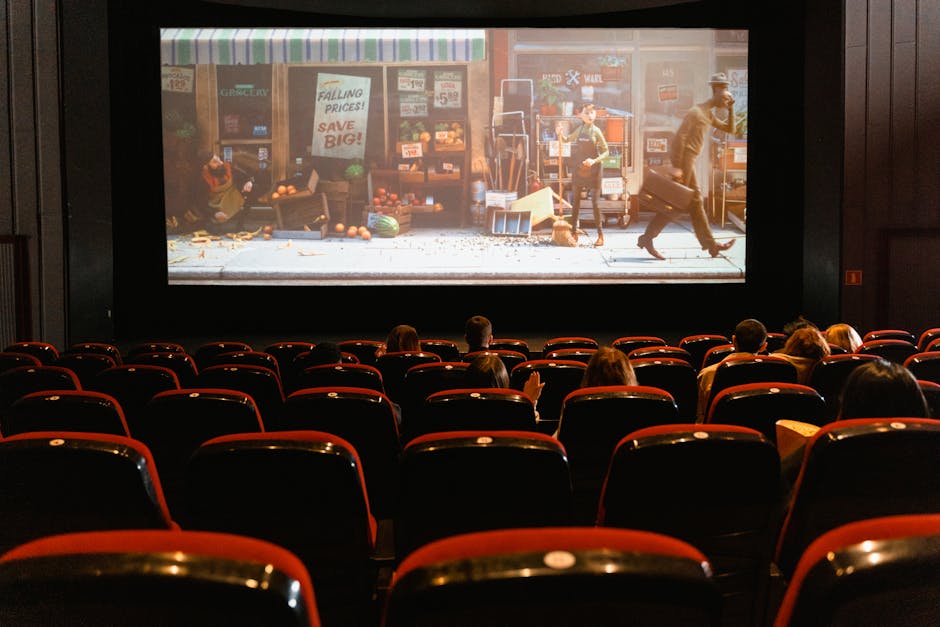
3. Cinemas Converted into Bingo Halls: A Unique Social Space
The 1960s and onwards saw many cinemas, struggling with declining audiences due to television's rise, repurposed as bingo halls. This was a critical development in the social life of betting venues.
- Large venues: Former cinemas offered spacious seating and stage setups ideal for bingo callers and hundreds of players.
- Community hubs: These halls became social meeting spots, especially for older women who found both entertainment and companionship here.
- Atmosphere: The fusion of traditional architecture and bingo gave the halls a friendly yet slightly formal environment, encouraging decorum and moderate play.
This spatial transformation underscores how bingo halls were less about high stakes and more about fostering a welcoming social space that naturally discouraged excessive gambling.
4. Tools and Traditions Bingo Halls Used to Keep Play Moderate
Without strict regulatory rules on individual behaviour, bingo halls depended on a combination of practical and social methods to keep players’ gambling moderate and enjoyable.
4.1 Fixed Closing Times: Natural Limits to Play
The mandated fixed closing times, as part of licensing requirements, created clear boundaries on how long a player could participate. Since games had to finish by certain hours, typically before midnight, this limited the potential for marathon gambling sessions.
4.2 Travel Barrier: An Unintended Moderation Mechanism
Unlike online games where players can launch multiple sessions within seconds, bingo halls required players to physically travel, often by bus or car. This travel imposed a natural limit by:
- Encouraging planning—players had to allocate time for transit and schedule attendance.
- Limiting frequency—daily travel to a bingo hall was inconvenient for many, particularly older women with other commitments.
- Imposing cost—travel expenses added to the investment in play, meaning players often weighed their participation carefully.
4.3 Social Accountability: The Power of Community
The communal nature of bingo halls fostered peer-based control. Regulars knew each other by sight or name, and callers encouraged banter and respectful behavior. This made it socially harder to play recklessly or cause disruption.
Moreover, bingo's pace and the presence of attentive bingo callers created natural pauses that gave players moments to consider their spending and game involvement.

4.4 The Role of Callers and Conductors
Experienced bingo callers played a crucial role in managing the game’s flow. They:
- Controlled the speed of number calling, preventing overly rapid play.
- Engaged players with light-hearted commentary and encouragement that emphasized fun over winning.
- Enforced hall conduct rules subtly by fostering an atmosphere of mutual respect.
5. Online Bingo Rooms and Slots: Lessons from Traditional Bingo Moderation
The rise of online gambling platforms has transformed the landscape dramatically. Unlike physical halls, online bingo rooms and slots facilitate rapid, anonymous play, often with few natural limits.
Aspect Traditional Bingo Hall Online Bingo Rooms / Slots Play Speed Moderate, controlled by caller Fast, player-driven Social Interaction High; communal and face-to-face Limited or virtual Travel Barrier Physical; requires effort and planning None; accessible anytime Closing Time Fixed, regulated 24/7 availability Social Accountability Strong; known regular community Weak; anonymityThese comparisons illustrate how online platforms pose fresh challenges for maintaining moderation. Modern responsible gambling initiatives now seek to mimic some traditional barriers, such as time reminders and deposit limits, to reinstate moderation in the digital age.
6. Bingo Halls as Social Spaces for Older Women
Bingo halls have historically been vital social spaces for older women, many of whom faced barriers to other leisure activities like travel or nightlife. The halls provided:
- Community Connection: Regular attendance meant friendships and a sense of belonging.
- Affordable Leisure: Low stakes and convenient times made entertainment accessible.
- Safe Environment: The halls offered a protected space from the more aggressive gambling scenes.
By promoting social accountability and moderating play pace, bingo halls ensured that this important demographic could enjoy gambling as leisure without the harms affiliated with excessive betting.
Conclusion
Although bingo halls operated with relatively few formal behavioural rules compared with today's regulatory standards, they incorporated natural, communal, and structural mechanisms to moderate play. The Betting and Gaming Act 1960 helped codify a framework around physical venues, fixed closing times, and licensing, which contributed indirectly to moderation.
The conversion of old cinemas into bingo halls forged unique social settings where older women could enjoy gambling within a supportive community, where social accountability and trip effort naturally restrained excess. In contrast to the rapid-fire, anonymous, and constant access of online bingo https://xn--toponlinecsino-uub.com/why-did-pubs-feel-male-and-bingo-halls-feel-different/ rooms and slots, traditional bingo preserved a slower, shared experience that emphasized leisure and companionship over relentless risk-taking.
Understanding these historical and cultural contexts enriches contemporary discussions about responsible gambling and consumer protection. Lessons from the bingo hall—moderation through social environment, structured play times, and travel barriers—remain valuable as gambling evolves in a digital world.