What Is Content-Delivery Infrastructure in Plain English for Live Streaming
If you're into online casino apps or follow your favorite sports through mobile websites, you’ve probably experienced how frustrating it is when a live stream buffers or lags right in the action. Behind the scenes, seamless live streaming depends heavily on what’s called content-delivery infrastructure. But what exactly does that mean? And why is it crucial for multi-camera studio productions or mobile-first streaming? Let's break it down without the jargon.
The Basic Idea: Delivering Video Efficiently
In its simplest form, content-delivery infrastructure is the collection of hardware and software systems that get video from a live studio or event (like a multi-camera sports production) into your phone, laptop, or smart TV quickly and without hiccups.
Think of it as a network of roads, rest stops, and speed limits designed to get a car (streaming video) from the factory (studio or event) to your driveway (device) as fast as possible.
Why Does Distance Matter? The Problem with Long-Distance Streaming
One core challenge is that video travels over the internet from a central source. If the source is thousands of miles away, that adds delay and can cause buffering. Reducing this long-distance streaming delay is critical.
This is where the idea of distributed video delivery comes in.
What Is Distributed Video Delivery?
Distributed video delivery means using multiple servers located closer to viewers around the globe to relay live video. These servers, often called edge servers, act like local warehouses to deliver content quickly.
- Edge servers cache and forward the live stream.
- They reduce the distance the data has to travel.
- Which in turn reduces latency and buffering.
This setup improves speed and reliability for mobile websites and apps, including our previously mentioned online casino platforms that rely on live video to keep users engaged.
Multi-Camera Studio Production: More Than Just a Single Feed
Most live streams you watch are not from just one camera but multiple cameras capturing different angles or shots. This is typical in eSports, concerts, or sports broadcasts.
Handling multiple video streams simultaneously presents its own set of challenges:
- Syncing video feeds: Cameras must be locked in time so switching between shots is smooth.
- Lighting and visual consistency: Matching color and brightness ensures a uniform look when cutting from one camera to another.
Industry bodies like the Society of Motion Picture and Television Engineers (SMPTE) set standards for video signal timing and quality that help engineers maintain consistent visual experience in multi-camera environments.
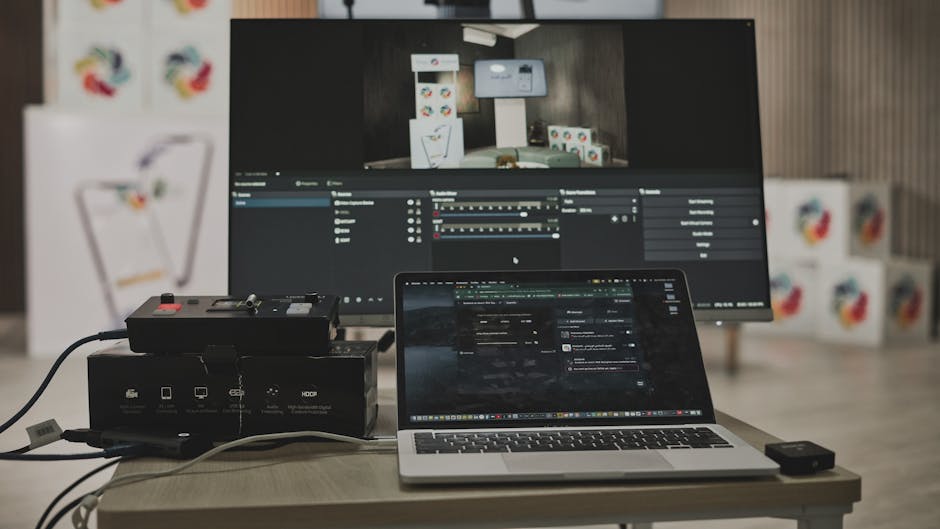
Lighting and Visual Consistency: Why It Matters in Streaming
Bright, balanced lighting isn’t just important for studios; it affects video compression and encoding effectiveness as well. High-contrast or flickering lighting can increase file sizes, cause artifacts, and strain bandwidth.
A clean, even lighting setup lets the encoder compress streams efficiently, which helps reduce overall bitrate while maintaining quality—key for delivering smooth streams especially in mobile-first contexts.
Encoding and Compression: Speaking the Streaming Language
Before video reaches your device, it must be encoded and compressed. Encoding translates raw camera footage into a digital format suitable for streaming. Compression shrinks that data so it requires less bandwidth.
Here’s the catch: encoding live video must balance quality, latency, and bandwidth constraints.
Factor Description Tradeoffs Quality How clear the video looks Higher quality means larger file sizes and potential lag Latency Delay between live event and you seeing it Lower latency can require more processing power and less compression Bandwidth Data rate used to deliver video Limited bandwidth forces compression — can lower qualityCompanies like MRQ specialize in delivering robust encoding and distribution solutions tuned to these tradeoffs. Hardware Times often reviews these encoders, noting what happens when devices heat up at hour 9 of continuous live production—a key insight for real-world reliability.
Mobile-First Streaming: Constraints and Solutions
Mobile devices introduce unique constraints:
- Bandwidth variability: Streaming over cellular networks can fluctuate wildly.
- Smaller screens: Ultra high resolutions (like 4K) may be overkill, wasting bandwidth.
- Battery and CPU limits: Encoding and decoding must be efficient to avoid draining devices quickly.
Because of this, content-delivery infrastructures optimize streams specifically for mobile Click for more devices, often by:
- Reducing resolution and bitrate intelligently.
- Using codec profiles optimized for power consumption.
- Employing edge servers close to mobile network points of presence.
This means the distributed video delivery network adapts the stream in real time based on the viewer’s device and network conditions—helping apps like online casinos keep live dealers and gameplay fluid.
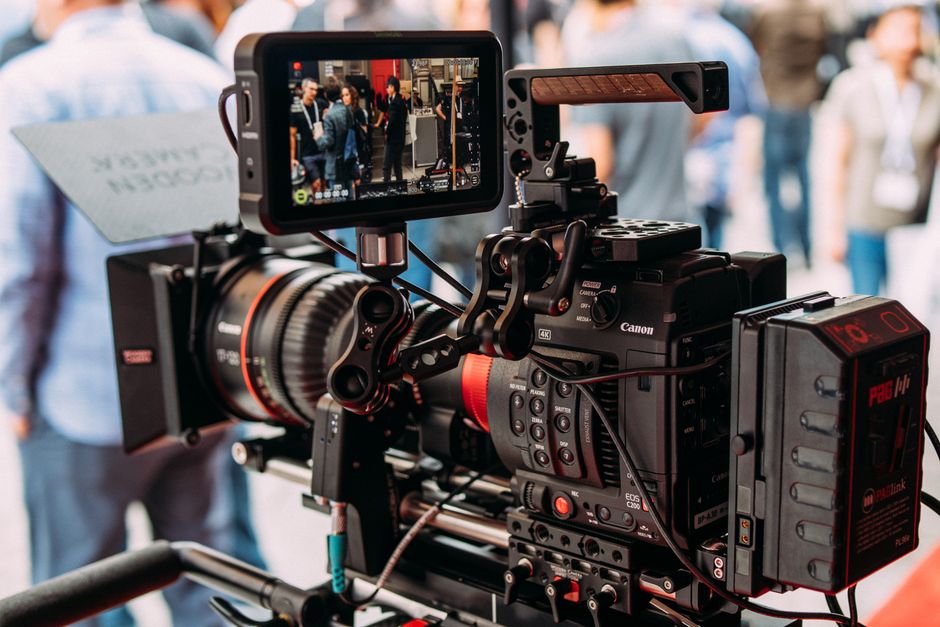
Putting It All Together: How Content-Delivery Infrastructure Supports Live Streaming
In summary, content-delivery infrastructure for live streaming involves:
- Multi-camera studio production with synchronized feeds and consistent lighting to ensure professional quality video.
- Encoding and compression balancing quality, latency, and bandwidth, powered by specialized vendors and products often vetted by reviews like those from Hardware Times.
- Distributed video delivery using edge servers positioned globally to cut down long-distance streaming delays and improve reliability for mobile-first audiences.
- Standards and best practices set by organizations like SMPTE ensuring interoperability and quality across the production chain.
What Happens When This Box Overheats at Hour 9?
As a streaming engineer, one hard-learned lesson is to never ignore hardware reliability and redundancy. What if the encoding box overheats after hours of continuous streaming or an edge server goes down mid-event? This is why true professional setups include:
- Redundant encoders and servers ready to switch over instantly.
- Continuous health monitoring and alerts—no surprise crashes in the middle of a live broadcast.
- Capacity planning to ensure no server is pushed past its thermal or network limits.
Good distribution networks don’t just focus on specs or buzzwords; they plan for every failure scenario, especially in crucial live moments.
Final Thoughts
Next time you tap a play button on an online casino app or tune into a mobile webcast of a multi-camera event, remember the unseen network of edge servers and encoding systems working tirelessly to get that live video to you without lag or glitch. Distributed video delivery isn't just a fancy term—it's a carefully orchestrated system that balances technology, geography, and user experience to keep the stream flowing.
For engineers or curious viewers wanting a deep dive, exploring resources at SMPTE, hardware reviews from Hardware Times, and innovations from companies like MRQ are great ways to understand the nuts and bolts behind the scenes.
In live streaming, the magic is real—and it starts with a robust content-delivery infrastructure.