What is the Best Way to Plan Meals So They Do Not Derail Drive Time?
When embarking on a long road trip, meal stop planning is one of the most overlooked, yet critical elements of a smooth journey. No driver wants to lose precious daylight and drive time due to unplanned stops or extended meal breaks. For those who occasionally include casino visits as a recreational stop, keeping your driving schedule intact while enjoying some downtime requires careful preparation, especially around your meal and parking plans.
In this guide, we focus on practical tips to https://theweeklydriver.com/2026/09/planning-a-casino-road-trip-what-to-sort-out-before-you-start-the-engine/ add time buffers, avoid late arrivals, properly separate your travel funds from gambling money, and use modern tools like banking and parking apps to streamline your trip. Whether you’re on a tight schedule or just want more control over your day, this post will help you balance hunger, breaks, and safe driving flawlessly.
Driving Comes First — Prioritize Your Route and Schedule
No matter your trip’s purpose, driving safely and efficiently must come first. Meals are important for energy and alertness, but stuffing them in haphazardly can lead to fatigue, frustration, or worse—rushing and unsafe driving.
Realistic Daily Drive Planning
Start by setting daily mileage or time limits that reflect your driving stamina, road conditions, and any planned stops like casino visits or sightseeing. Trying to push beyond your limits invites fatigue and puts your schedule at risk.
- Include meal stops as fixed events: Allocate realistic time windows (30-60 minutes) for meals rather than guessing as you go.
- Add buffer time: Always include extra minutes — typically 20-30% additional time — for unexpected delays such as traffic or waiting for a table.
- Avoid tight arrival windows: Prevent stress and rushing by building a cushion around your key arrival times, especially if you’re meeting others or attending events.
Meal Stop Planning: How to Stay on Track
Planning your meals effectively lets you stay nourished without sacrificing valuable driving hours.
Choose the Right Location
Look for reliable, easy-access locations known for fast service — highway rest areas with food courts, quick-service restaurants, or casino eateries if applicable. Planning meal stops near your driving route minimizes detour time and parking hassles.
Time Your Meal Stops Strategically
- Mid-morning snack: Instead of a lengthy breakfast stop, opt for a quick snack to keep your energy up and momentum going.
- Main meal: Aim for a lunch or dinner break aligned with your natural hunger cycle— don’t wait until you’re starving.
- Short breaks: Incorporate shorter snack or restroom breaks to avoid long, disruptive stops.
Leverage Technology to Save Time
Apps can be invaluable for meal stop planning, especially parking payment apps and banking apps.
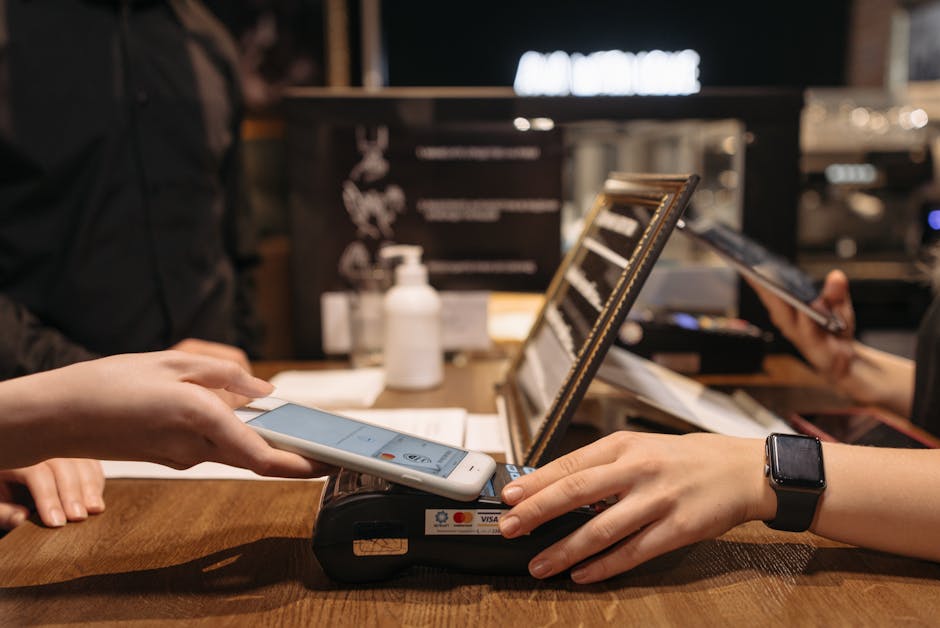
- Parking payment apps: When visiting a casino or a busy meal stop in a city, paying for parking via an app saves you time circling lots or scrambling for change. This quickens your overall stop, helping you get back on the road promptly.
- Banking apps: Use banking apps to monitor your travel funds in real-time, transfer money securely, and avoid fumbling with cash at payment points. These apps can also help separate travel funds from gambling budgets to reduce the risk of misusing money intended for fuel, food, or emergencies.
Casino Visits and Parking: Timing is Everything
If your trip includes a casino stop, remember that casino comes after parking. Rushing to the casino floor without secure parking arrangements can lead to bigger delays than expected. Here’s how to manage this:
Parking First, Then Play
- Use the casino’s recommended parking app or facility to reserve a spot or pay remotely before arrival.
- Allow time for potential parking lot navigation delays, especially on busy days or weekends.
- Set a strict time limit for your casino stop to prevent it from eating into your driving window.
Separate Your Budgets
Maintaining distinct funds for travel and gambling is essential. Unexpected gambling losses or extended stays at the casino can jeopardize your trip’s food, fuel, or lodging budgets.
- Keep your travel funds in your main bank account accessible via your banking app.
- Load your gambling money onto a prepaid card if possible, separate from your main bank account.
- Regularly check balances and transfers to ensure you don’t inadvertently dip into your travel reserves.
Emergency Reserve Planning: Be Prepared
Life on the road rarely goes perfectly, so an emergency reserve for unexpected meal costs, traffic delays, or vehicle needs safeguards your trip.
How to Build and Use an Emergency Meal Fund
- Set aside a fixed emergency amount in a separate account or wallet accessible via your banking app.
- Only tap this emergency reserve for unplanned expenses after confirming your main plan can no longer cover the cost.
- Keep a list of affordable quick meal options or rest areas along your route for economical alternatives when the emergency fund comes into play.
Time Buffers are Your Best Friend
Unexpected delays happen, whether it’s heavy traffic, an extended meal service, or longer parking queues. Here’s a practical approach to add time buffers:

- When mapping your drive, increase your estimated stop and driving times by 20-30%.
- Schedule intentional short breaks every 2-3 hours to stretch and refresh.
- Always plan your final arrival at your destination with at least a 30-minute buffer — that way, meals or casino stops won’t make you late.
Sample Daily Plan Table Demonstrating Meal Stop and Timing Buffers
Time Activity Planned Duration Buffer Included 7:00 AM Depart from origin — — 10:00 AM Mid-morning snack and restroom break 20 minutes Included 5 minutes buffer 1:00 PM Lunch stop near casino 45 minutes Included 15 minutes buffer 2:00 PM Parking at casino via app setup & casino visit 60 minutes Included 15 minutes buffer 3:30 PM Resume driving — — 6:30 PM Arrival at destination — Planned 30 minutes early bufferFinal Thoughts: Balance, Technology, and Discipline
Careful meal stop planning that prioritizes driving first helps keep your trip on track while keeping you energized and alert. Using tools like banking apps for fund management and parking payment apps to avoid delays at busy stops can make a big difference.
Remember to:
- Separate travel and gambling funds.
- Build realistic daily driving goals and include generous time buffers.
- Plan meals strategically without last-minute rushing.
- Prioritize parking arrangements before casino or meal breaks.
- Maintain an emergency meal fund for flexibility and peace of mind.
Master these, and your long-distance journey will be smoother, safer, and more enjoyable—allowing you to savor the trip as much as the destination.