Why Do Mobile Casino Payments Feel Faster Even When They Are Not Instant?
In the rapidly evolving world of online casinos and fintech, particularly within the UK market, user experience (UX) is king. As more players shift to playing on mobile devices, operators like MrQ are investing heavily in mobile-first cashier pages to meet their audiences where they spend most time. But, interestingly, even when mobile casino payments are not instant, they often feel much faster than their desktop counterparts. Why is this the case?

In this article, we’ll explore the factors behind this perceived speed, focusing on the intersection of mobile UX, reduced checkout steps, and wallet authentication. We’ll also clarify the difference between paying on a smartphone and charging payments directly to a phone bill (known as direct carrier billing), ensuring the terminology remains crystal clear — something that many confuse. Along the way, we’ll reference companies and tools that highlight these trends, from the payment rails with Visa Debit, to the role of Ofcom regulations in driving transparency, and the rise of mobile banking apps and digital wallets reducing friction.
The Shift from Desktop-First to Mobile-First Deposit Experiences
Historically, online casino cashier pages were designed with desktop users in mind. This meant longer forms, more steps, and interfaces optimized for larger screens. However, as mobile gaming surged, operators recognized that this approach was no longer effective.
MrQ, a prominent UK-facing operator, was among the early adopters of mobile-first cashier design. Their interface streamlines the deposit process by minimizing input fields, relying heavily on mobile-native technologies like digital wallets and biometric authentication. This shift significantly contributes to the feeling of speed, even if the underlying payment processing times remain similar to desktop methods.
How Mobile-First Design Affects Perceived Payment Speed
- Simplified layouts: Mobile designs strip down unnecessary visuals and distractions, leading to quicker decision making.
- Auto-fill and predictive input: Mobile browsers and apps can autofill details like card numbers or passwords, reducing typing errors and time.
- One-tap deposit options: Incorporating digital wallets enables near-instant authentication without manually entering card details.
- Biometric login and approvals: Features like fingerprint or facial recognition on smartphones make the authentication stage feel instantaneous.
All these elements combine to reduce cognitive load and streamline the path from “I want to deposit” to “deposit confirmed” — thus fostering a sensation of speed regardless of backend processing.
Direct Carrier Billing vs. Paying on a Smartphone
It’s important to distinguish between two commonly confused concepts:
- Paying on a smartphone: Using your mobile device with payment instruments like Visa Debit cards, mobile banking apps, and digital wallets (Apple Pay, Google Pay, etc.) to complete a transaction.
- Direct carrier billing: Charging a purchase directly to your mobile phone bill, added later by the network operator (e.g. Vodafone, EE).
Many affiliate sites and operators inaccurately use the ambiguous term “pay by phone” when referring only to digital wallet payments on phones. This fuels confusion.
Why does this matter for casino payments? Because these two routes differ drastically in speed and user flow:
- Payments with Visa Debit via mobile banking apps or digital wallets typically complete authorizations in seconds, although funds arrival might vary depending on processors.
- Direct carrier billing payments often take longer to finalize, as telecom carriers take processing time to add charges to phone bills, sometimes delaying the deposit appearance.
Understanding this distinction helps operators and players align expectations about deposit time and payment method suitability.
Digital Wallets Reduce Checkout Friction
One key reason mobile casino payments feel faster is thanks to digital wallets. These solutions, like Apple Pay and Google Pay, store users’ card and address information securely, enabling authentication and payments with minimal user input.
Here are a few factors reducing friction:
- Minimal form filling: No need to type card numbers or billing addresses — information is securely shared behind the scenes.
- Fast biometric authentication: Wallets leverage device biometrics such as Face ID or fingerprint sensors so users approve payments with a single scan.
- Secure tokenization: Instead of exposing card data, wallets use tokens for transactions, improving trust and reducing errors that slow down payments.
- Compatibility with mobile banking apps: Many UK banks have apps that integrate wallet payments smoothly, which players use to top up wallet balances quickly.
All these seamless experiences tie into mobile UX design principles prioritizing speed, simplicity, and user confidence.
Biometrics and Authentication Becoming Integral to UX
Biometric technologies have transformed how users authenticate payments on mobile devices. Instead of juggling passwords or PIN codes, users authenticate deposits through:
- Fingerprint scanners
- Facial recognition
- Voice identification (less common)
Ofcom’s latest research confirms consumers increasingly expect secure yet convenient authentication in financial services. This influences iGaming operators to adopt biometric-friendly cashier systems without sacrificing security.
It is critical to emphasize that while biometrics speed up user verification, no payment method is free from risk — whether on mobile or desktop — requiring responsible implementation by operators.
Role of Visa Debit and Regulatory Oversight by Ofcom
Visa Debit remains one of the most popular card payment methods used in UK mobile deposits due to its wide acceptance and reliability. Its compatibility with mobile banking apps and digital wallets ensures users can deposit conveniently and, subject to their bank’s processing times, with minimal delays.
Ofcom, the UK’s communications regulator, plays a pivotal role in monitoring transparency and consumer protection within telecom and payment services. Their updates keep operators honest about refund timelines, chargebacks, and clear explanations for deposit delays, influencing how methods like direct carrier billing are presented Apple Pay casino deposit on cashier pages.
Summary Table: Key Differences in Mobile Casino Payment Methods
Payment Method Interface Experience Authentication Type Deposit Speed Common Use Cases Visa Debit via Mobile Banking App Fast, mobile-optimized forms + auto-fill PIN, biometrics via digital wallet Typically instant to a few minutes Most UK casino deposits, high trust Digital Wallet (Apple Pay, Google Pay) One-tap payments with biometric approval Face ID, fingerprint, passcode Near-instant authorization Casual & frequent deposits, reduced errors Direct Carrier Billing Simple “charge my phone bill” interface Mobile network authentication Delayed (minutes to hours) Small deposits, users without cardsConclusion
Mobile casino payments feel faster thanks to a combination of UX improvements, reduced checkout steps, and wallet authentication integrated into mobile-first designs. Operators like MrQ are leading the charge by delivering deposits that feel seamless, even when the backend processing times—regulated by payment click here networks like Visa Debit and oversight bodies like Ofcom—aren’t necessarily instantaneous.
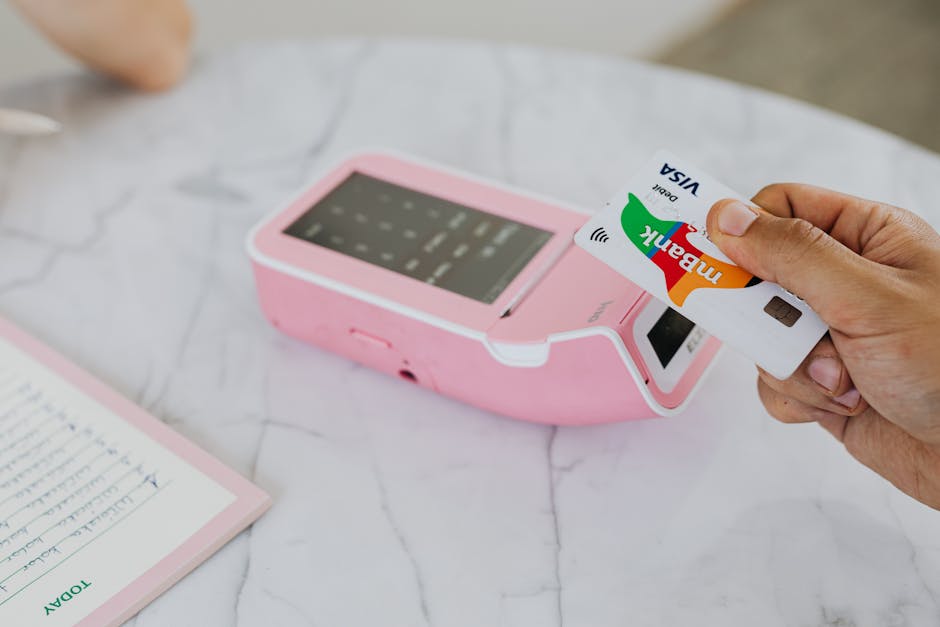
Ultimately, it is the careful orchestration of technologies such as digital wallets, mobile banking apps, and biometrics, combined with clear distinctions between different payment routes, that create a payment experience on mobile devices perceived as fast and frictionless. For consumers, recognizing these differences helps set realistic expectations and encourages smarter method choices based on speed, security, and convenience.