Why Do So Many Sea-Themed Games Add Treasure Chests and Shipwrecks?
There’s something endlessly captivating about the ocean—its vastness, its mysteries, its moods. In the world of gaming, especially online slots and casual adventures, developers lean heavily into ocean fantasy settings to create immersive experiences. One of the most common motifs? Treasure chests and shipwrecks. But why do these elements appear time and again in sea-themed titles? As a chef and food blogger raised around vibrant coastal cultures in Jamaica and Nigeria, now immersed in the seafood world and decking out my reviews with a pinch of pop culture insight, I’m here to break down exactly what makes these symbols tick.
The Ocean as Mood and Metaphor: Calm Leisure, Hard Work, and Danger
Before we unpack imagery like treasure chests and shipwreck slot themes, let’s set the mood. The ocean is a natural storyteller, shifting from serene calm to perilous tempest — and game designers love this dynamic. A reel or game board sprinkled with bright marine color palettes — turquoise blues, corals, and sunny golds — instantly conjures leisure and vacation vibes. This mood tells players, “Relax, explore, and enjoy your time with the waves.”
On the flip side, throwing in stormy deck scenes, shark silhouettes, or turbulent water sounds switches the narrative to danger. Now, the stakes are higher, and every spin or click feels like a challenge. That emotional rollercoaster is critical to keeping players engaged, blending escapism with suspense.
Even the toil of fishing—the patient wait, the sudden tension of a catch—translates perfectly into game mechanics, creating built-in suspense that mirrors real sea life. Games don’t just use the ocean for pretty graphics; they channel its rhythms to build story structure and pacing.
Fishing as Built-In Suspense and Story Structure
Fishing isn’t simply about catching fish. It’s an experience steeped in anticipation, patience, and sudden excitement. Developers replicate this mood by pacing gameplay to mimic the ups and downs of a fishing trip. For instance, a basic spin might feel like casting a line—low stakes, calm waters. Then, landing a wild symbol or bonus trigger resembles the tug of a big catch, pumping adrenaline into the moment.
This sense of progression hooks players, building natural momentum without needing contrived buzzwords about “engagement” or “reward loops.” It’s authentic, drawn from the ocean’s own rhythms. From places like the Western Australian Museum, one can explore actual fishing history and maritime artifacts that reveal how human connection to Click for source the sea is timeless, making this storytelling all the more resonant.
Recognizable Silhouettes and Bright Marine Color Palettes
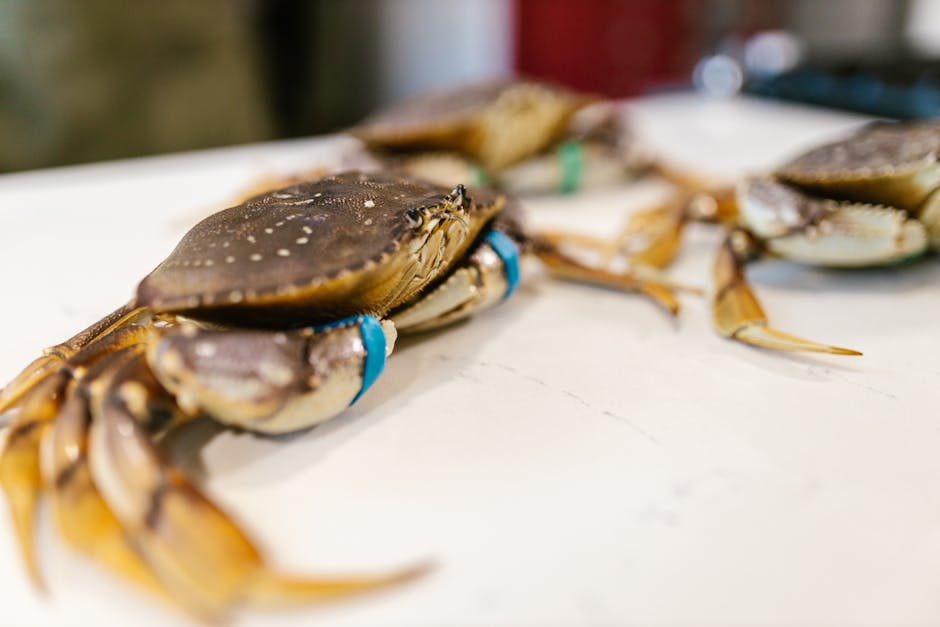
Now, let’s talk visuals—particularly silhouettes and colors, which are crucial for instant recognition and mood setting in games. Iconic shapes like crab https://reliabless.com/how-does-commercial-crab-fishing-change-a-games-atmosphere/ claws, diving seahorses, shimmering fish scales, or the unmistakable curves of an old wooden shipwreck silhouette provide clarity in the hectic world of slot reels or busy game boards.
Silhouettes function as shorthand to the brain—before we consciously process a shape, we know if it fits the ocean theme or suggests adventure and mystery. Treasure chest symbols, for example, stand out not just because they’re shiny or gold, but because their shape’s familiar: a classic, rounded box with metallic straps that hint at hidden wealth. Bright, jewel-toned marine palettes—emerald greens, deep blues, coral reds, and sunny yellows—add that extra layer of fantasy and allure, transforming a simple slot layout or side-scrolling game into a living underwater realm.
- Treasure Chests: A visual promise of reward, mystery, and discovery.
- Shipwrecks: Evoke history, loss, and the hidden depths of the ocean’s secrets.
- Sea Creatures: From graceful dolphins to ominous sharks, these shape choices impact the mood and story arc.
British-based online casino sites like MrQ make great use of these visuals in their game catalogue browsing. Their collection spotlights ocean-themed slots where treasure chests gleam and shipwreck backgrounds set an adventurous tone without overwhelming players with oversized, jarring graphics. This balance between fantasy and readability is why these themes endure.

The Big Catch: Treasure Chests as Natural Bonus-Feature Metaphors
In games, especially slot machines, the “big catch” isn’t literally a fish. Instead, it’s the reward—the jackpot, the multiplier, or that unlocking of a bonus round. Treasure chest symbols work excellently here because they carry inherent storytelling weight. A chest evokes the idea of something valuable and hidden, waiting for the player’s skill or luck to be “unlocked.”
In ocean fantasy settings, these chests are more than just shiny objects; they represent the ultimate prize after a long—and sometimes perilous—journey. It’s a metaphor rooted in maritime lore and treasure hunting traditions that players instinctively understand. You’re not just spinning reels; you’re diving into history and myth, and every chest opening feels like unearthing a secret world.
Shipwrecks and the Allure of the Past
Shipwrecks anchor these narratives firmly in the ocean’s mystery. As symbols and backdrops, they underscore the stakes of the sea—riches lost, stories submerged, dangers narrowly escaped. The Western Australian Museum offers fascinating exhibit and gallery pages that explore real shipwrecks and their artifacts. These historical references enrich game design, grounding fantasy in authentic cultural heritage that adds layers to gameplay immersion.
Unlike generic treasure themes that can feel repetitive and pasted on, shipwreck slot themes tap into specific maritime stories and moods. They invoke a silhouette of sunken ships, twisting coral, tangled nets, and long-lost cargo, blending visual cues with evocative atmosphere. This increases player curiosity and emotional engagement through subtle storytelling.
Mood Control: Leveraging the Ocean’s Emotional Spectrum
At its core, using treasure chests and shipwrecks in sea-themed games reflects a strategic mood control. The ocean can feel like:
- Calm Leisure: Bright colors, gentle waves, smooth music—ideal for casual play.
- Danger and Suspense: Storm clouds, ominous shipwreck shadows, and tense sound effects heighten stakes.
- Hard Work and Reward: Fishing metaphors, choppy waters, and incremental wins mimic effort and payoff.
Designers constantly modulate these moods to keep the experience fresh. By alternating between relaxing moments (perhaps when waves lap gently near a sunken treasure) and sudden bursts of tension (like spotting a shark silhouette or triggering a bonus round), games maintain dynamic pacing. This ultimately sustains player interest far better than static visuals or repetitive themes.
Sites like MrQ’s online casino game catalogue browsing show this interplay in action, showcasing how different developers tweak these moods—even within sea-themed slots, the experience can range from the peaceful serenity of a tropical reef to the thrilling chaos of a storm-tossed shipwreck adventure.
Final Thoughts: More Than Just Pretty Pictures
Sea-themed games owe their enduring popularity and thematic depth to these well-chosen motifs. Treasure chests, shipwrecks, and ocean fantasy settings are not window dressing—they’re a rich language of symbols that evoke suspense, reward, history, and mood. Recognizable silhouettes and marine color palettes make games immediately accessible, while narrative rhythms drawn from fishing and maritime lore give players a meaningful story arc.
Whether you’re casually browsing titles on MrQ or diving into incredible maritime exhibits through the Western Australian Museum, understanding these elements enhances your appreciation of the craft behind game design. Next time you see a gleaming treasure chest or a weathered shipwreck in a slot game, you’ll know it’s part of a carefully woven ocean tale, designed to pull you into the mood of the sea, one spin at a time.